
The Media Makeover: When tV Got A Chaotic TikTok Filter
By author and translator Serena Bader
Breaking news: Your grandma still waits for the 8 PM bulletin. Meanwhile, you just learned about a major world event…from a TikTok comment under a meme.
Welcome to the media plot twist none of us saw coming.
The old-school news still wears suits and sticks to scripts: polite, polished, predictable. TikTok? It’s messy, bold, and unapologetically real. Spoiler alert: It’s stealing the spotlight from every channel out there.
The Feed That Never Sleeps
On TikTok, news doesn’t end when it’s posted, that’s when it starts. Whether it’s a celebrity scandal, earthquake or even a political bombshell, give it a few seconds and it’s already racking up likes, comments, and duets. People don’t just scroll; they turn on notifications for this. Because on TikTok, the real story is in the reaction. Users wait for each other’s post, and the comment section has become the new debate palace: fast, fierce and wildly entertaining.
If you ever dreamed of being a critic, the comment section is your stadium.
What makes TikTok even more engaging is that people aren’t just watching, they’re reacting in their own way by stitching, dueting or leaving a simple comment. They feel empowered to speak freely, dropping bold personal opinions whenever they want. Unlike traditional news that keeps on talking and talking and you’re here just…sitting there. TikTok serves up an evolving narrative: one shaped by millions of voices, perspectives, and emotions all at once. Here, the news isn’t just consumed; it’s created, remixed, and shared in real time.
You never know what’s coming next on your feed, it might be something tragic, or it might be downright hilarious. And that’s exactly what makes TikTok way more entertaining than traditional news, which tends to hit us over the head nonstop with the world’s latest disasters and crises.
News in the Age of Media: A Conversation with Omar Chehab
To get a fresh perspective from someone navigating both traditional journalism and social media chaos, I sat down with Omar Chehab, a Communication and Information student at Université Saint-Joseph. We talked about trust, trends, and what it’s like growing up in a world where anyone can go viral.
Okay, before we get serious — are you a ‘wait for the 8 PM news’ kind of person or a ‘learn it from TikTok while brushing your teeth’ type?
Omar: To be honest, I’m more active on Instagram than Tiktok. But I don’t take my news from social media, I take them from traditional media because I feel they are more trustworthy. For example, I check “L’Orient-Le Jour” or “Ici Beyrouth”, they are biased but I’d rather get my information from them.
Q: How would you describe today’s media scene in just three words?
Omar: If we want to be pessimist, let’s start with “fakeness”. Traditional media and TikTok use theatrics a lot and things that are not objective and that’s the problem. We think they’re objective, but they’re not. Even traditional media, they do it in a more subtle way, but they still try to appeal to emotions and appeal to certain things.
Second word is “creativity”, I chose it because, especially in communication, we should do new things. We can’t always use the same things over and over again. For example, MTV Lebanon, they redecorated their studio, how the shows are being produced and aired, their agenda-setting has changed and even their political approach is starting to shift, and they need to reflect the new upcoming generation.
I think for the third word I’d pick “cloning”, and what do I mean by that? That there’s widespread imitation among people, and some people actually excel by doing that. This is more common on TikTok than in traditional media, but even the news broadcasts use it all the same way and in Lebanon TV shows don’t have that big of a difference. There are influencers on TikTok whose whole job is copying or react to other influencers.
Q: What’s one habit you wish more people had when it comes to media?
Omar: Since we’re talking, you’re assuming that I’m telling the truth and that’s instinct. The thing is if people are telling us something, we normally believe it. That’s maybe not a bad thing especially to build friendships and relationships, but it’s a horrible thing in media. You shouldn’t assume that they’re telling the truth, so a good habit is to assume that they’re lying until proven otherwise.
Omar speaks for a generation raised on both breaking news alerts and trending audios. As storytelling shifts from newsroom desks to phone screens, the truth isn’t lost, it’s just harder to recognize through the noise.
Who’s Spinning Truth, Who’s Spreading Lies?
Despite being an engaging source, social media can also feed people lies while the truth hides behind invisible walls. TikTok’s algorithm rewards content that grabs attention, whether it’s shocking, funny, or downright outrageous, often at the expense of accuracy. On TikTok, there’s a blurry line between truth and entertainment. As long as the content keeps people hooked and feeds their delusions in just the right way, honesty becomes a secondary concern. Viral videos can spread rumors faster than fact-checked reports, blurring the line between news and entertainment.
On the other hand, traditional news tends to be more ethical: reporters rely on trusted sources, editors’ fact-check thoroughly, and there’s accountability when mistakes happen. That doesn’t mean traditional news is flawless, but it’s generally more trustworthy. Saw a big story on TikTok? Wait for the 8 o’clock news to make sure it’s legit.
This simple pause for verification can save you from falling for misinformation, half-truths, or even unnecessary anxiety. How many times have you see a fake video claiming that something horrible happened in your city, only to find out it was just clickbait chasing clout? These viral hoaxes spread faster than gossip in a small town, feeding off our fears and curiosity. So yeah, hitting pause and checking the facts isn’t just smart but it’s basically survival in today’s wild media jungle.
That’s exactly why traditional media still holds its crown. It might not have TikTok’s flashy dance moves or meme magic, but it’s got something way cooler: credibility. Sometimes slow and steady really does win the race.
TikTok didn’t just slap a filter on the news, it handed it a full production kit: lights, sounds, edits, and drama. When a serious story comes wrapped in Subway Surfers tunes and flashy effects designed to keep you glued, something important slips through the cracks, the real weight of the news.
When TikTok faced potential shutdowns in the U.S, panic spread like crazy, and that’s a clear sign of how deeply this platform has embedded itself in how people consume news and connect with the world. It’s not just entertainment anymore, it’s where many turn first for updates and community. Still, traditional media remains essential, offering the trust and fact-checking that flashy TikTok videos sometimes lack.
At the end of the day, amidst the chaos of scrolling and swiping, the quiet ritual of sitting with your grandma and watching the evening news still holds a timeless power, where truth unfolds gently, and stories find the space to breathe.
A Quick Look Back
Media has come a long way: from the crackling radios and black-and-white broadcasts of the 20th century to the endless scroll of today’s social platforms. Each shift has not only changed how stories are told, but also expanded who gets to tell them. Whether it’s printed headlines, primetime anchors, or viral creators, the mission remains the same: to inform, to connect, and to help us make sense of a rapidly changing world.
About the Author and Translator
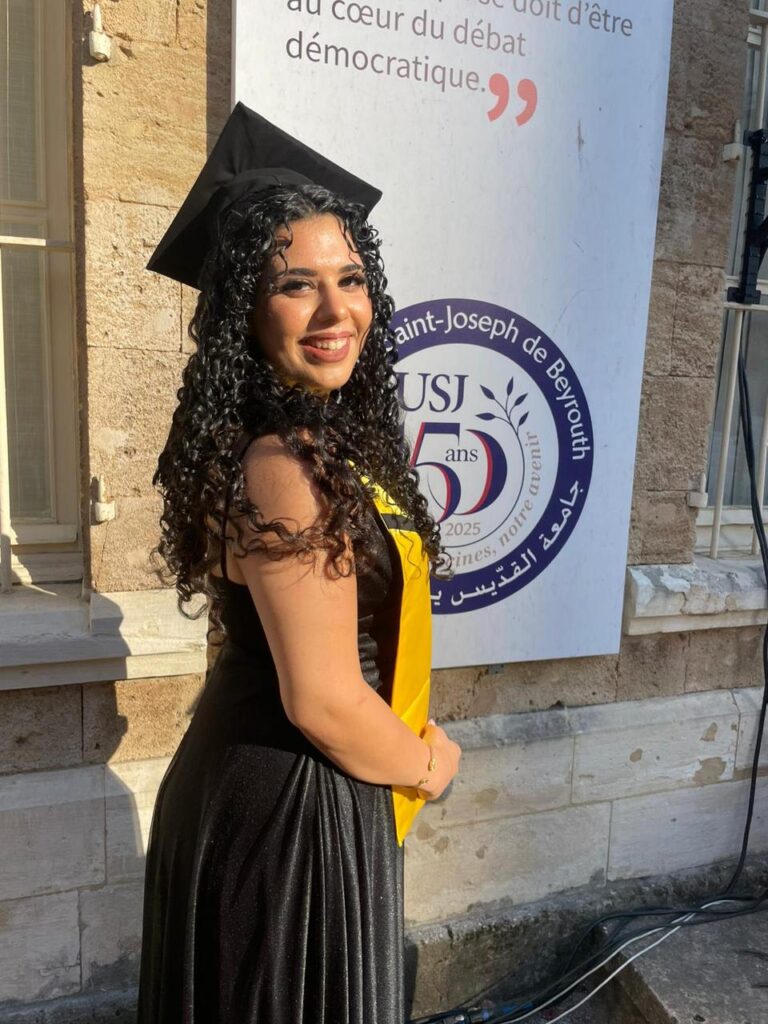
Serena Bader is a master’s student in Translation at Université Saint-Joseph with a passion for storytelling in the digital age. She has a special interest in audiovisual translation and explores how language and media intersect in today’s fast-moving world. Serena writes about a wide range of trendy topics, from TikTok culture and influencer marketing to the future of journalism and digital trust, highlighting how young audiences are consuming and reshaping the narrative.