

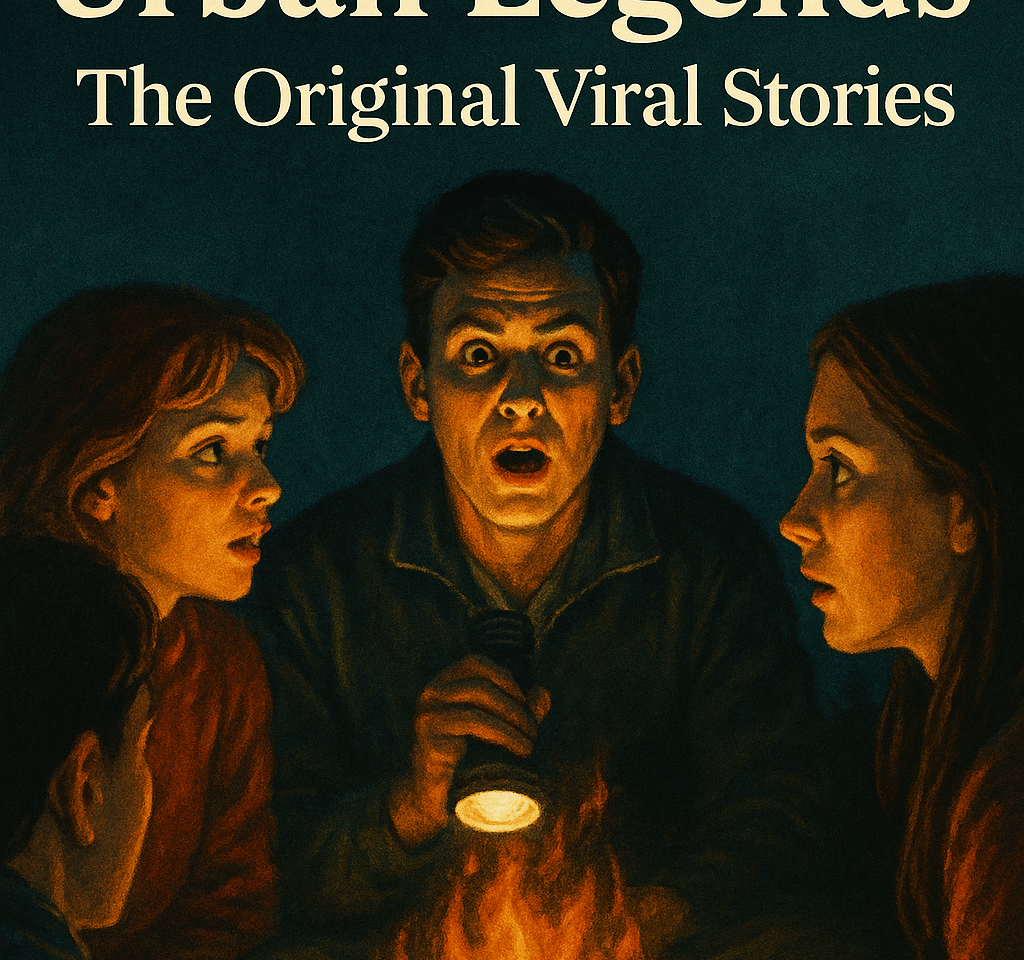
Pre-Internet Urban Legends: The Original Viral Stories
By Translator and Author Serena Bader
They spread faster than a trend and stuck longer than a meme, long before the internet even existed. Urban legends were the OG viral stories, and to be fair? They walked so any social media content could run. But how did these spooky, strange tales travel so far without screens or hashtags? What made people share them again and again, passing them down like secret currency?
How Urban Legends Ruled the Storytelling Game
Think about it: before any video on social media blew up and every story came with a hashtag, people shared stories the old way, by chit-chatting. Urban legends were the original viral hits, but instead of screens, they traveled through whispers, campfires (flashlight in your face if you’re the one telling the story), and those “you won’t believe what I just heard” conversations at school. These eerie little tales spread fast because they tapped into something everyone loves, a good story that’s just scary enough to keep you hooked.
Remember stories like The Vanishing Hitchhiker or The Hook? Chances are you heard them from someone who swore it happened to their friend’s cousin. These tales were short, creepy, and packed with enough suspense to make you double-check your locks at night. And because everyone added their own twist, the story changed and grew as it moved from person to person, making it more suspenseful or just downright terrifying.
Of course, it wasn’t just campfires and whispers. Before smartphones, people passed these legends along in chain letters, creepy radio shows, or even newspaper articles. It was their version of viral content: stories that spread because they grabbed attention and begged to be shared. Without social media or algorithms, urban legends still found a way to travel far and wide, proving that the human love for storytelling is way older than the internet. Sometimes, the best stories don’t need technology, just a good ear and a willing storyteller.
Did You Know?
- The Vanishing Hitchhiker legend has versions in almost every country, from the U.S. to Japan to South America, showing how stories travel and transform worldwide.
- Before emails and texts, chain letters were the original viral messages, often warning readers of curses if they didn’t pass the letter on.
- The famous urban legend about razor blades hidden in Halloween candy started in the 1960s and spread so widely that it still affects Halloween safety checks today, even though real cases are almost nonexistent.
- Radio shows like “Lights Out!” in the 1930s were the original creepy podcasts, terrifying listeners with eerie tales long before horror movies became popular.
- Many urban legends spread faster because people love sharing “friend of a friend” stories, they sound believable but also mysterious enough to keep you guessing.
The Eerie Similarities Between Viral Legends and Today’s Trending TikToks
Jump to today, and you might think everything’s changed with all the TikToks, hashtags, and endless scrolling. But honestly? Old-school urban legends and viral TikTok trends are basically the same thing, just dressed up differently. Both thrive on quick, punchy stories that hook you right away and refuse to let go. They tap into the same mix of fear, curiosity, and that irresistible urge to share something wild or creepy with your friends, whether in person or online.
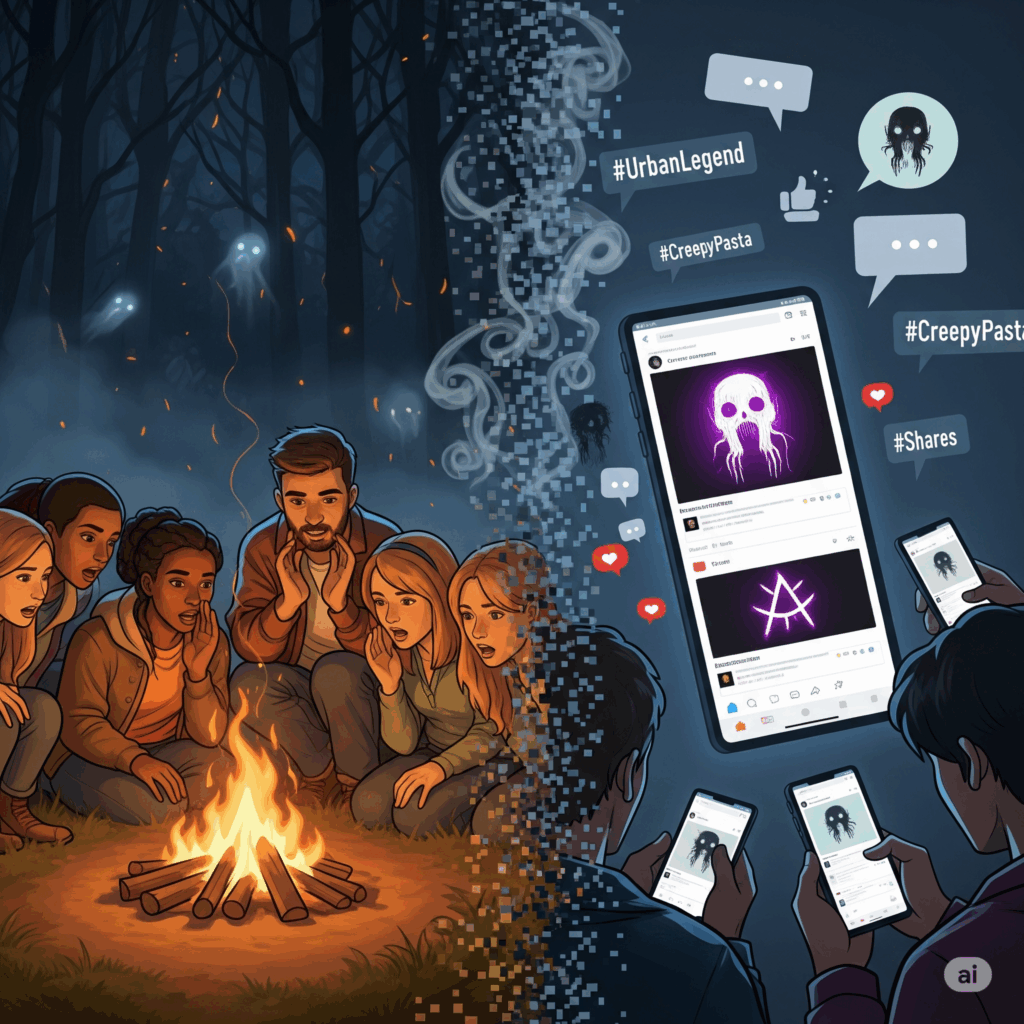
Take TikTok crazes like the Backrooms or the Elevator Game: they’re basically the modern-day campfire tales, but swapped for bite-sized videos you can watch on your phone in the middle of the day. These stories blur the lines between reality and fantasy just like The Vanishing Hitchhiker or Slenderman did back in the day. It’s that tricky mix of “Is this true?” and “I hope it isn’t” that keeps us coming back for more. And just like those old legends, these new myths spread like wildfire, fueled by likes, shares, duets, and reaction videos instead of whispers and hushed conversations.
What’s fascinating is how social media has become the new campfire circle. It’s where millions gather to swap stories, add their own twists, and freak each other out, sometimes all at once. The medium’s changed, sure, but the heart of it hasn’t. We still crave that rush of a good scare, the buzz of a shared secret, and the connection that comes from telling stories together. Because at the end of the day, whether it’s a ghost story around a campfire or a viral TikTok about a haunted elevator, storytelling is what makes us human. And honestly? That’s pretty wild.
Urban legends didn’t disappear. They just got WiFi. What started as spooky whispers and flashlight tales now lives on in trending TikToks and viral threads. Same chills, different format. We’re still doing what we’ve always done: swapping wild stories, adding our twist, and passing them on like social currency. The faces around the campfire may be screens now, but the thrill? Still there. Because whether it’s a haunted hitchhiker or a glitchy elevator game, we don’t just love stories. We live for them. And no matter how much tech evolves, one thing’s for sure: nothing spreads faster than a story with a good hook.
About the author
Serena Bader is a master’s student at Université Saint-Joseph (USJ), specializing in translation. With a passion for languages and a love for writing about trendy, engaging topics, she combines her academic expertise with a knack for storytelling. Serena enjoys exploring how stories travel across cultures and formats,from urban legends to viral social media, making complex ideas accessible and fun for her readers.