


Culture Rescue Mission: Are We Taking Full Ownership of Preserving Our Heritage?
By Gaelle Rizkallah – Author and Translator
In a world centered around advertising and marketing, there is no excuse to not celebrate the powerful and common connection people have: culture. What makes us who we are today? Isn’t it all that has been passed down to us? An unspoken side of advertisement is the part where culture is left behind or misappropriated.
Instead of celebrating what brings us together and keeping a national legacy going, many forget what it is really all about. Celebrating other cultures the wrong way, using them superficially or even incorrectly will often take away their true meaning and importance.
We always forget that culture is a part of us, and it should not be forgotten either. So integrating culture can not only unify people but also revive and preserve traditions that are slowly fading away.
Misappropriation And Appreciation: The Cost Of Overseeing That Fine Line
Just like translators, companies have a duty to interpret the culture in the right way and show it accurately. But the challenges make them fall into various traps. Some of which may even affect their whole image and maybe even their future.
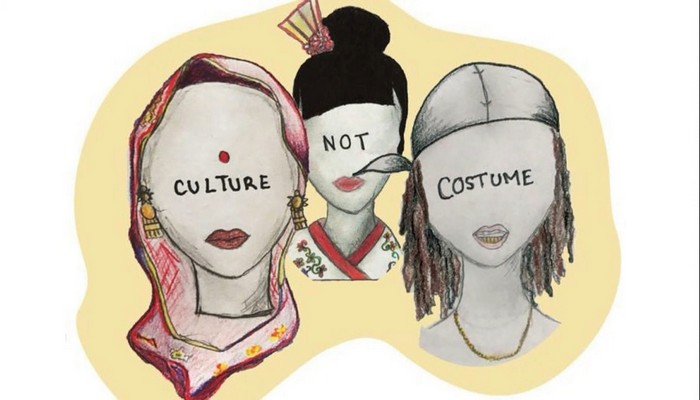
One of the main mistakes brands make is not seeing the fine line between misappropriation and appreciation. It is no surprise to see brands utilizing elements from different cultures without understanding their real significance. It can lead to a lot of negative impressions that society may take from these representations. Whether it ends up being perceived as a bad stereotype, oversimplified or infamously offensive, the upcoming effect is irreversible.
As a matter of fact, Dolce&Gabbana’s 2018 campaign is among the most memorable fails of all time. The disastrous ad featured an Asian model painfully struggling to eat Italian food with chopsticks, leading to an estimated loss of 500 million dollars, disowning of the brand by many, and even the cancellation of their runway show at the time. But was it the only major fail? Of course not! So many brands cost themselves a whole career, just for the sake of trying to be trendy or maybe a little aesthetic.
Exploiting a culture might be the end of a brand, whether by accident or not. The improper use of culture to boost a brand or even reducing it to a certain aesthetic can feel more invasive than celebratory. However, it isn’t wrong to incorporate culture, but do it the right way.
A Force Rather Than A Saboteur
But how? Well, it’s just all about authenticity and respect. There is something about being real about it and working with the right people that will get you far. But not only that, the key is to engage and be a part of the culture, to show a real part of your identity.
Afterall, culture ends up making ads unique, bringing people together over something they have in common. It’s all they really know best.
Let’s take a closer look.
When brands decide to incorporate culture into their advertising campaigns, they really need to take the time to understand all symbols, representations and references to allow them to be well-received. It is, in fact, a story to be read and interpreted correctly.
It’s the powerful connection with the audience over something they cherish that allows the ad to succeed. Language, traditions, and shared experiences create an irresistible magnet that draws people in. These are factors that really tap into their nostalgia. Thus, brands realize it was never just about selling products, it was always bigger than that.
For instance, the most cultural item for the Lebanese community might just be the food, just like one of the best to have brought the culture to life though it might also be this Lebanese chocolaterie. Poeme, a recently opened shop has been able to stand out and look outside the box. By making a chocolate box where each piece represents a different Lebanese city, they have added their unique touch to traditions, giving them a bit of a twist. Each flavor was inspired by local specialities, celebrating Lebanon’s diver heritage and keeping the traditions alive but also innovative. It indeed was a celebration of the Lebanese heritage and very smart marketing.
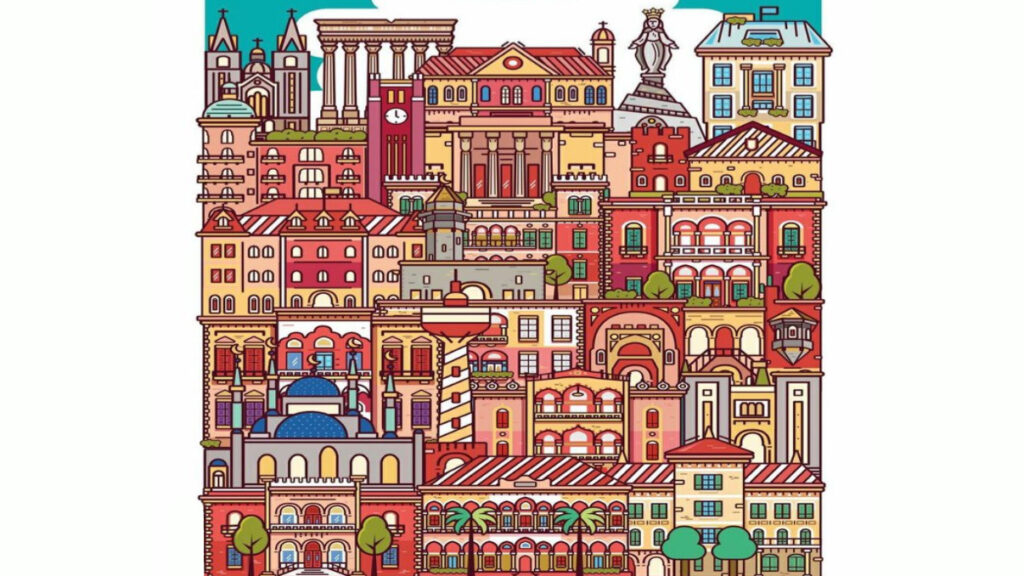
Such an approach did more than just boost the whole brand. It also preserved culture into every little chocolate creation. Each piece has become a delicious homage to a rich history. Stories of ancient cities, kept and appreciated, were meticulously designed into edible art.
Similarly, infamous food brands like Tim Hortons in Canada, have also brought their culture to life through their cultural ads that evoke Canadian sports, « the Canadian Dream » and more as they are known to be « Canada’s Favorite Coffee and Donuts. » This brand works in order to symbolize the country and its values and is a proud part of the fabric of Canada.
Another strategy they have used was making items that are some of the most famous Canadians’ favorites. A recent example was Ryan Reynolds’ personalized breakfast boxes in collaboration with Tim Hortons, serving a very “Canadian breakfast”. This creation was a perfect example of including cultural ambassadors to ensure an accurate representation of what the brand is trying to put out.
A Tool That Sells, But Only Ethically
When done the right way, cultural marketing becomes more than a strategy. In fact, it embraces authenticity and therefore, unites customers over what they know best. Afterall, it’s something that lives with us every single day, isn’t it? In a world where cultures not only continue to exist and thrive, but also evolve endlessly, advertising has the power to keep them alive through each and every campaign.
It was never about selling. And if you think it is, you are very wrong. It goes above and beyond into preserving and highlighting customs, language, and every heritage piece we still have.
Cultural engagement really is an art if we think about it, and just like Malak El Tawook and many other chains, Lebanese slang and relatable humor is at the heart of their strategies and allows brands to reinforce cultural identity and attract so many more people. Doesn’t it make you feel like you belong?
A Group Effort, Not An Individual One
So now, it’s your turn to take good care of your heritage and move beyond the cliches. While brands work on sharing their countries’ stories and keep them in our minds forever, your role lies in diving deeper into your culture, looking into it and appreciating it.
There was always more to it, you just didn’t look at it differently.
Ask yourself: What has your culture done for you? Could you ever live without it? Aren’t you just a bit curious to know more? And allow yourself to find the answers.
About culture
Our kept traditions, shared values, and relatable stories are the living connection that keeps us together, keeps us who we are. As culture constantly evolves, each new generation adds new meaning, a small touch. It lives with us with every step we make and every word we say. In such a globalized world, it really sets a very delicate line that makes us hesitate between preserving the unique identity of our culture and embracing more positive change.
About The Author
Gaelle Rizkallah is a Master’s student at Saint Joseph University, specializing in Conference Translation. From a young age, she has had a passion for translation and reading. Gaelle typically enjoys studying topics that are always on her mind, specifically ones that are not so spoken about. She likes to dive into the side of trends that are rarely thought of, and sides that should not be overlooked in her eyes.